San Tan Valley, AZ · Pinal County
Roof Leak Water Removal in San Tan Valley, AZWet Contents Protection & Wall Cavity Drying
Roof Leak Water Removal in San Tan Valley starts with emergency roof tarping and attic water extraction, then moves to wet insulation removal and structural drying services.
Answered 24/7
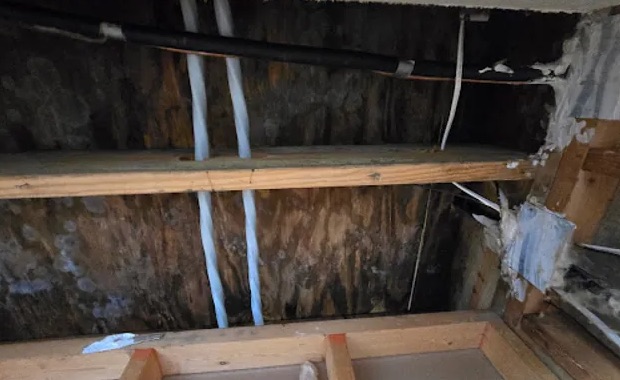
Help With Roof Leak Water Damage in San Tan Valley
A roof leak rarely stays in one spot. Rain soaks the decking, runs along rafters, pools on the ceiling drywall and can drip into walls before a stain shows in the room below.
Roof leak water removal is available in San Tan Valley and nearby Queen Creek, Blackwater and Sacaton. The pros tarp the opening if needed, extract the water and dry the attic framing and ceiling drywall.
Roof Leak Cleanup Services in San Tan Valley, AZ
Wet Contents Protection
Furniture, rugs and boxes under the leak are moved, blocked up or covered. Wet items are listed and photographed before they are dried or set aside.
Wall Cavity Drying
Roof leaks often run down inside exterior walls. The pros check wall cavities under the leak and dry them through small holes or by removing the baseboard.
Leak Source Identification
Water often travels along rafters before it drips, so the stain is rarely under the hole. Tracing it in the attic shows the real entry point.
Structural Drying Services
Wet framing in San Tan Valley attics is dried with directed airflow and dehumidification. Daily readings show when the wood is dry enough for repairs.
Attic Water Extraction
The pros remove standing water from the attic first, because a ceiling holding water can sag and give way under the weight.
Signs You Need Roof Leak Water Removal
Dark Spots on Attic Wood
Dark streaks or spots on rafters and roof decking show where water has been running or sitting for a while.
Rusty Nails in the Attic
Rust on roofing nails or metal straps in the attic means moisture has been collecting there over many rains.
Sagging or Bulging Drywall
A ceiling that bulges or feels soft is holding water. It can give way, so keep people and pets out of the room.
Musty Smell After Rain
A damp, musty smell that gets stronger after storms often means insulation in the attic is staying wet.
How Roof Leak Water Removal Works in San Tan Valley
Step 1: Protect the Rooms Below
Furniture and belongings under the leak are moved or covered, and floors are protected before any ceiling work begins.
Step 2: Drain and Open the Ceiling
Water trapped above the ceiling is drained through a small hole, and soft drywall is removed to reach the wet cavity.
Step 3: Dry Walls and Framing
Wall cavities under the leak are checked and dried along with the joists and top plates the water ran across.
Step 4: Document for the Claim
Photos, moisture logs and a list of removed materials are put together for you to share with your insurer.
Common Causes of Roof Leaks in San Tan Valley
Skylight Seals
Skylight gaskets and curb flashing wear out, and water runs into the shaft and down the drywall around the opening.
Worn Flashing
Flashing around chimneys, skylights and wall joints can crack, rust or pull loose, and water runs in along the gap.
Open Roof Valleys
Valleys carry the most water on a roof. Worn or poorly sealed valleys let that concentrated flow into the decking.
Cracked Vent Boots
The rubber collars around plumbing vents dry out and split with age, letting rain drip down the pipe into the attic.
Roof Leak Water Removal for Homes and Businesses in San Tan Valley
Residential Roof Leak Water Removal
For homeowners, drying the attic and ceiling before stains spread can save the drywall. Moisture readings show what can stay and what has to come out.
Commercial Roof Leak Water Removal
Property managers get moisture readings and photos for each affected unit or suite, which helps when several tenants and an owner's insurer are involved.
When a Roof Leak Is Too Big for DIY
If water is near lights or outlets, turn off that circuit at the breaker. Do not stand on a wet floor to reach a fixture that is dripping.
Pricing Roof Leak Water Removal in San Tan Valley
A single stain over one room costs far less to dry than a leak that soaked the attic for weeks. Tarping, insulation removal and drywall cuts each add to the total.
Size of the Wet Area
The square footage of wet attic, ceiling and wall sets how much equipment is needed and how long it runs.
Attic Access
Low, tight attics with little floor to stand on take longer to work in than open attics with a walkway.
Insulation Removal
Bagging and hauling soaked insulation takes labor, and the attic needs new insulation once the framing is dry.
Does Insurance Cover Roof Leak Water Removal?
Insurance may pay for water removal and drying after a covered roof leak, while the roof repair is handled under different terms. Check your policy and deductible.
What Local Pros Bring to a Roof Leak in San Tan Valley
Finding Hidden Water
Thermal cameras and moisture meters find wet insulation and wall cavities that are not visible from the room below.
Wet Insulation Handled
Soaked insulation is bagged and removed so the ceiling and framing can dry instead of staying damp under it.
One Job, Start to Finish
Tarping, extraction, insulation removal and drying happen in order, so each step is not left waiting on another company.
24/7 Emergency Roof Leak Water Removal in San Tan Valley
For an active roof leak in San Tan Valley, call (623) 920-0233. Local water extraction experts handle the tarp, the water in the attic and the drying of the rooms below.
Call Now (623) 920-0233Roof Leak Water Removal Near San Tan Valley: Areas Served
Local water extraction experts cover San Tan Valley and surrounding communities including Queen Creek, Blackwater and Sacaton for roof leak tarping, extraction and drying.
- Roof Leak Water Removal in Queen Creek
- Roof Leak Water Removal in Blackwater
- Roof Leak Water Removal in Sacaton
- Roof Leak Water Removal in Gold Canyon
- Roof Leak Water Removal in Coolidge
- Roof Leak Water Removal in Apache Junction
- Roof Leak Water Removal in Gilbert
- Roof Leak Water Removal in Florence
- Emergency Damage Restoration in 85140
- Storm Damage Restoration in 85140
- Water Damage Restoration in 85140
- Water Extraction Service in 85140
- Water Leak Detection in 85140
- Water Removal Service in 85140
- Emergency Damage Restoration in 85143
- Storm Damage Restoration in 85143
Questions About Roof Leak Water Removal
How do the pros find where a roof is leaking?
They trace the water from the stain up into the attic, follow it along the rafters and decking, and use moisture meters to find the entry point.
Are old ceiling stains a sign of an active leak?
Not always. A dry stain may be from a past leak. A stain that is damp, growing or bulging means water is still getting in.
What does emergency roof tarping involve?
A heavy tarp is laid over the damaged area and fastened down so rain stops coming in. It stays until a roofer makes the permanent repair.
What should I do first when I find a roof leak?
Catch drips, move belongings away, turn off power to wet fixtures and take photos. Then call (623) 920-0233 to have the water removed and the attic dried.
How soon should water removal start after a roof leak?
As soon as possible. Wet drywall and insulation can start to grow mold in 24 to 48 hours, and a ceiling holding water can sag and fall.