Glendale, AZ · Maricopa County
Moisture Detection Services in Glendale, AZStructural Drying Verification & Pinless Moisture Meter Testing
Moisture Detection Services in Glendale includes wall cavity moisture detection, subfloor moisture inspection and post-flood moisture assessment.
Answered 24/7
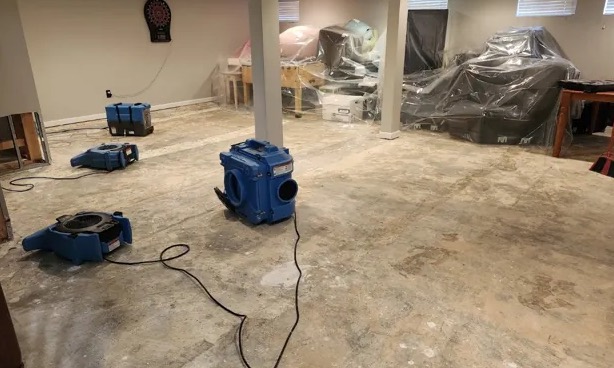
Moisture Detection Services from Trusted Restoration Pros in Glendale
Undetected moisture can compromise structural integrity and indoor air quality in Glendale. Local moisture detection pros use infrared scanning and pinless meter testing to identify wet spots.
Properties in Glendale and nearby areas like Peoria, Tolleson and Youngtown benefit from precise moisture detection services to address hidden water damage. The pros use infrared moisture scanning and pinless meter testing to identify dampness in walls and floors, helping prevent mold and structural issues.
Detailed Moisture Detection Services Offered in Glendale
Structural Drying Verification
Readings are compared to established dry standards for each material type, helping ensure no residual moisture remains to cause future problems.
Pinless Moisture Meter Testing
A pinless meter uses electromagnetic waves to detect moisture up to an inch deep. It allows for rapid scanning of large areas like floors and ceilings to identify potential problem spots before they worsen.
Post-Flood Moisture Assessment
The post-flood assessment creates the roadmap for restoration. By documenting moisture levels throughout the space, the pros in Glendale can execute a thorough, efficient drying process tailored to your specific situation.
Roof Leak Water Tracing
A roof leak rarely damages only the immediate area below it. This tracing service maps the full extent of the intrusion, which is crucial for a complete repair and drying plan in Glendale homes.
Thermal Imaging Moisture Detection
Infrared moisture scanning uses thermal cameras to find hidden water in walls and ceilings. This non-invasive method helps the pros locate damp areas without cutting into surfaces.
Symptoms Calling for Moisture Detection Services in Glendale
Recent Plumbing Leak or Flood
After any past water incident, dampness can linger unseen in walls and floors and should be checked with meters.
High Indoor Humidity Levels
Your home consistently feels muggy or clammy. Elevated humidity readings can point to a hidden moisture source.
Bubbling or Peeling Paint
Paint or wallpaper loses adhesion and bubbles up. This occurs when moisture gets trapped behind the surface material.
Spongy Drywall or Soft Spots
Walls or ceilings feel soft or damp to the touch. This sponginess means structural materials have absorbed significant water.
How Moisture Detection Services Work in Glendale
Step 1: Infrared Moisture Scan
The pros begin with a non-invasive infrared scan of the affected areas. This technology reveals temperature differences that indicate hidden moisture behind surfaces.
Step 2: Pinless Meter Verification
Pros then use pinless moisture meters to verify the scan results without piercing materials. This step provides accurate moisture meter readings for wall cavities and subfloors.
Step 3: Moisture Mapping Documentation
All detected wet areas are carefully mapped to create a moisture map of the property. This documentation is essential for planning drying and for your insurance claim.
Step 4: Structural Drying Assessment
Finally, pros perform a structural drying assessment to establish drying goals. This determines if specialized drying equipment is needed to achieve material dryness verification.
Origins of Undetected Moisture in Glendale Homes
Plumbing Leaks Behind Walls
Pipes can leak slowly inside wall cavities for months. Pinless moisture meter testing helps locate these hidden leaks.
Window and Door Seal Failures
Degraded caulk and weatherstripping let rain drive in. This water soaks into framing.
Flooding From External Sources
Heavy rain or nearby flooding can push water into a building, and it often soaks further than it appears.
HVAC System Condensate Line Issues
A clogged AC drain line can overflow inside the system and soak nearby ceilings or walls unseen.
Moisture Detection Services for Homes and Businesses in Glendale
Residential Moisture Detection Services
Homeowners need moisture detection services to protect their property's value and health. Hidden water in walls or under floors can lead to mold and structural rot.
Commercial Moisture Detection Services
Business owners require moisture detection to maintain operations and protect assets. Undetected moisture can disrupt business, damage inventory, and create liability issues.
Moisture Detection Services vs. DIY: When to Call Local Pros
Checking visible pipes under sinks or around toilets for condensation or drips is a reasonable DIY task. Monitor areas that previously had leaks for any new signs of staining.
Investing in Moisture Detection Services for Your Glendale Property
Your cost for moisture detection services in Glendale relates to the square footage inspected and the methods used, from initial infrared moisture scans to final dryness verification after structural drying procedures are complete.
Material Types
Different building materials, like drywall versus concrete, require varied detection techniques, affecting the time and tools used.
Service Urgency
Emergency post-flood moisture assessments often involve after-hours work, which can influence the pricing structure for help.
Damage Extent
The severity and spread of hidden moisture, from a small leak to widespread saturation, determine the scope and cost of detection.
Does Insurance Cover Moisture Detection Services?
Insurance may cover moisture detection services if it is part of a documented water damage event already covered under your policy. Coverage decisions always belong to your insurer, so confirm specifics with them directly.
Selecting Local Pros for Your Glendale Moisture Detection Services Needs
Objective Data Reporting
Results are based on measurable humidity and moisture readings, providing factual information without guesswork.
Non-Invasive Inspection
Techniques like infrared moisture scanning locate water without unnecessary damage to your walls, floors, or ceilings.
Thorough Damage Documentation
Detailed reports with photos and meter readings are provided to support your insurance claim process effectively.
24/7 Emergency Moisture Detection Services in Glendale
For 24/7 emergency wall cavity moisture detection or subfloor inspection, dial (623) 920-0233. Early work by local pros can locate the source and extent of moisture to inform next steps.
Call Now (623) 920-0233Moisture Detection Services Coverage in and Around Glendale
In Glendale, moisture detection services helps identify and map moisture from leaks or floods. The pros in Glendale offer these diagnostic services to the local area and nearby places such as Peoria, Tolleson and Youngtown.
- Moisture Detection Services in Peoria
- Moisture Detection Services in Tolleson
- Moisture Detection Services in Youngtown
- Moisture Detection Services in Sun City
- Moisture Detection Services in El Mirage
- Moisture Detection Services in Avondale
- Moisture Detection Services in Cashion
- Moisture Detection Services in Sun City West
- Emergency Damage Restoration in 85301
- Storm Damage Restoration in 85301
- Water Damage Restoration in 85301
- Water Extraction Service in 85301
- Water Leak Detection in 85301
- Water Removal Service in 85301
- Emergency Damage Restoration in 85302
- Storm Damage Restoration in 85302
Moisture Detection Services FAQs
What is a subfloor moisture inspection?
This inspection uses moisture meters to check flooring and subfloor materials for hidden saturation, often after a leak or flood, to prevent rot and mold.
How soon after a flood should moisture be assessed?
A post-flood moisture assessment should begin within 24-48 hours to accurately map damage and support rapid drying before secondary issues like mold develop.
What tools are used for water damage inspection?
Tools include infrared cameras, pin and pinless moisture meters, hygrometers for humidity testing, and boroscopes for visual checks in cavities.
What happens after wet spot detection?
After detection, a report details the locations and levels, which guides the planning for structural drying, repairs, and serves as documentation for records.
When is structural drying verification needed?
Verification is essential after drying equipment runs, using moisture meters to confirm materials have reached a safe, dry standard before repairs begin.