San Tan Valley, AZ · Pinal County
HVAC Leak Water Removal in San Tan Valley, AZHVAC Cabinet Water Extraction & Coil Leak Water Damage Repair
HVAC Leak Water Removal in San Tan Valley includes emergency HVAC leak cleanup, wet insulation removal near HVAC and coil leak water damage repair.
Answered 24/7
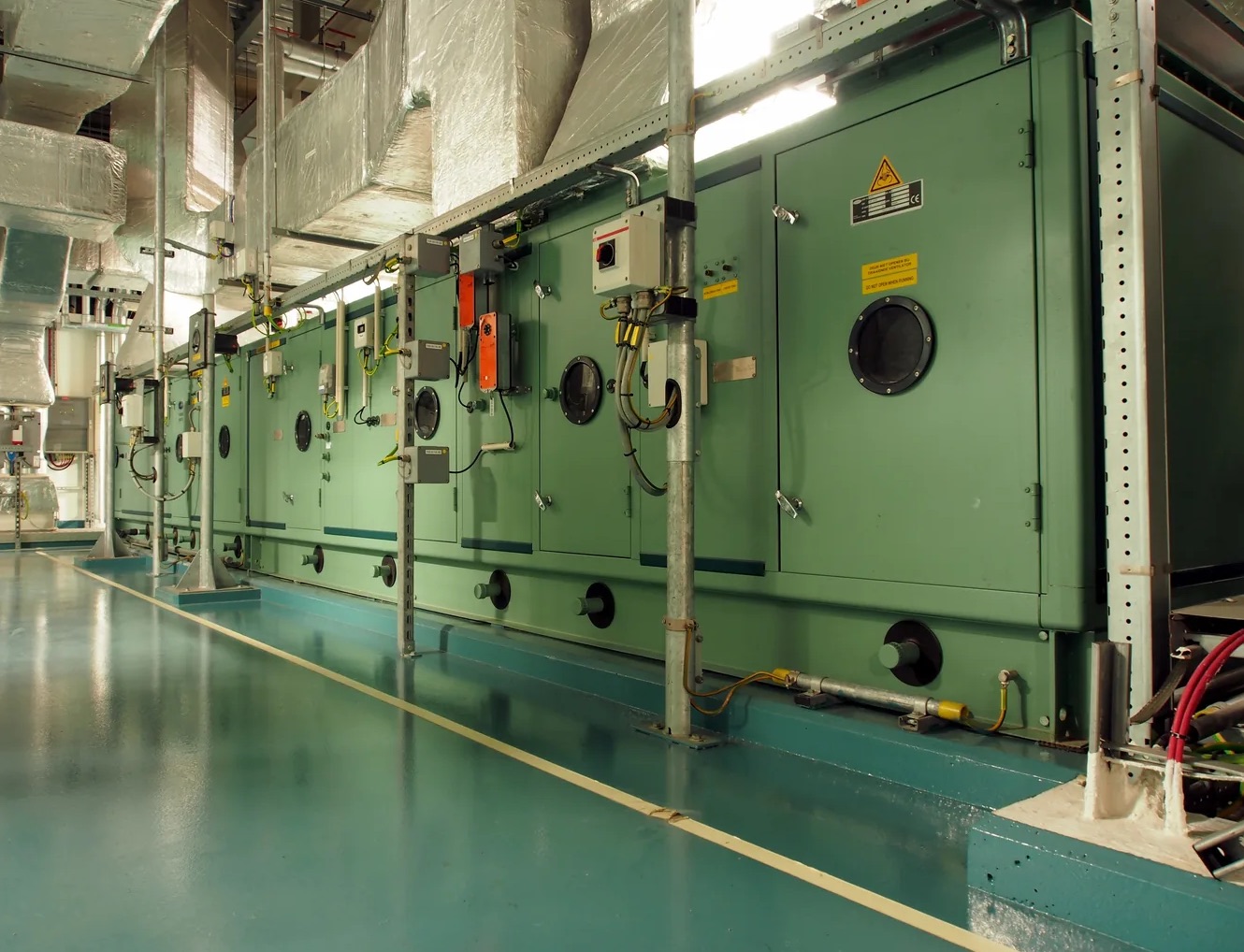
Professional HVAC Leak Water Removal in San Tan Valley, AZ
In San Tan Valley, an air conditioner can run most of the day in summer, and the condensate it makes has to go somewhere. When the drain fails, that water soaks insulation, rusts metal and wets the drywall nearby.
When an HVAC leak occurs in San Tan Valley, water needs to come out quickly to protect interior finishes and electrical systems. Local water removal pros serve this community and nearby areas like Queen Creek, Blackwater and Sacaton, extracting water around the unit and drying wet ductwork before damage spreads.
HVAC Leak Water Removal Services in San Tan Valley
HVAC Cabinet Water Extraction
Water pooled inside a furnace or air handler cabinet is removed after the power is off, which protects the blower motor and the control board.
Coil Leak Water Damage Repair
A coil that has leaked for weeks often leaves wet framing and flooring around the unit. The pros remove the water and dry those materials, while an HVAC contractor fixes the coil.
AC Condensate Leak Water Removal
A failing condensate pump or disconnected line can flood a mechanical closet. This requires urgent HVAC leak water removal.
Moisture Remediation for HVAC Systems
Once the leak stops, dehumidifiers and air movers are placed to dry the air handler closet, nearby ducts and the room, following industry drying standards.
Ductwork Condensation Water Removal
Cold air inside ducts meeting warm, humid air causes sweating and droplets. Condensation soaks insulation and damages ceiling materials.
Signs You Require HVAC Leak Water Removal in San Tan Valley
Water Puddles Under HVAC Unit
Standing water or persistent dampness around the air handler or furnace cabinet often signals an active HVAC leak.
Wet or Sagging Insulation Nearby
Damp insulation around an attic unit or in nearby walls holds water against the drywall and framing.
Stained Ceilings or Walls Near Vents
Stains on drywall or ceilings around supply vents often trace back to ducts that are sweating or leaking.
High Indoor Humidity Levels
A home feeling persistently muggy can mean the HVAC system is not properly removing airborne moisture.
How HVAC Leak Water Removal Works in San Tan Valley
Step 1: 24/7 Emergency Leak Response
The pros make the area safe, find where the leak started and start removing water.
Step 2: Condensation Leak Repair Focus
The cause, such as a clogged drain line or failed pump, is identified so it can be fixed and the leak does not return.
Step 3: Comprehensive Moisture Remediation
All wet materials are dried, including the hard-to-reach spaces inside walls and ceiling cavities.
Step 4: System Restoration and Testing
Readings confirm the area is dry, and the system can be restarted once the HVAC repair is done.
What Causes HVAC Leaks Needing Water Removal in San Tan Valley
High Static Pressure in Ducts
An oversized system or closed vents can upset airflow and drainage, so condensate does not drain as it should.
Refrigerant Leak at the Coil
A pinhole leak in the evaporator coil itself can allow refrigerant and moisture to escape simultaneously.
Cracked or Disconnected Drain Pan
A damaged or misaligned secondary drain pan beneath the evaporator coil fails to catch condensation overflow.
Improper HVAC System Slope
An air handler or drain line installed without correct pitch prevents gravity-driven water flow to the drain.
Residential and Commercial HVAC Leak Water Removal in San Tan Valley
Residential HVAC Leak Water Removal
In homes, water from a utility closet can reach hardwood floors, cabinets and stored items. The pros dry those materials and wet duct sections near the unit.
Commercial HVAC Leak Water Removal
In commercial buildings, mechanical rooms and the spaces under them are checked for water and dried, with readings recorded for the building manager.
HVAC Leak Water Removal: DIY or Call Water Damage Pros in San Tan Valley
You can document water damage for an insurance claim by taking clear photos of the affected area and leaking component. Keep records of communication. Do not discard damaged items until reviewed. Coverage decisions belong to the insurer.
Understanding HVAC Leak Water Removal Costs in San Tan Valley
The pros in San Tan Valley price the job based on how long the leak ran and how much it damaged. Wet ducts inside walls or ceilings take extra work to reach.
Post-Extraction Repairs
Some jobs need small drain line or insulation repairs after drying, which are priced separately.
Extent of Water Spread
Water from a leaking AC can travel along ducts and inside walls, which makes the drying area larger.
Water Contamination Category
Clean condensate is simpler to handle than dirty overflow from a drain line, which needs extra cleaning.
Does Insurance Cover HVAC Leak Water Removal?
AC unit water damage coverage hinges on the leak source. Sudden failures like a burst drain line may be covered, while gradual neglect often is not. Homeowners should confirm specifics with their insurer.
Reasons to Hire Local Pros for HVAC Leak Water Removal in San Tan Valley
HVAC-Specific Moisture Detection
Moisture meters and thermal cameras find water in ducts, insulation and cabinets that you cannot see.
24/7 Emergency Response
Getting to a leaking AC early limits how far water spreads and how much it rusts parts in the unit.
IICRC-Standard Drying Methods
Drying follows industry standards so the unit area, ducts and walls are dry before the system runs again.
Emergency HVAC Leak Water Removal Services in San Tan Valley
Water flowing from your HVAC system requires fast action to prevent costly secondary damage. For emergency HVAC water extraction in San Tan Valley, call (623) 920-0233 anytime.
Call Now (623) 920-0233HVAC Leak Water Removal Locations Near San Tan Valley
Help with HVAC leak water removal is available in San Tan Valley and nearby Queen Creek, Blackwater and Sacaton, for water from AC units, drain lines and ducts.
- HVAC Leak Water Removal in Queen Creek
- HVAC Leak Water Removal in Blackwater
- HVAC Leak Water Removal in Sacaton
- HVAC Leak Water Removal in Gold Canyon
- HVAC Leak Water Removal in Coolidge
- HVAC Leak Water Removal in Apache Junction
- HVAC Leak Water Removal in Gilbert
- HVAC Leak Water Removal in Florence
- Emergency Damage Restoration in 85140
- Storm Damage Restoration in 85140
- Water Damage Restoration in 85140
- Water Extraction Service in 85140
- Water Leak Detection in 85140
- Water Removal Service in 85140
- Emergency Damage Restoration in 85143
- Storm Damage Restoration in 85143
HVAC Leak Water Removal FAQ for San Tan Valley Homeowners
What is involved in HVAC leak water removal?
Stopping the leak, extracting standing water, drying the ducts, cabinet area, walls and floor, and checking for hidden moisture with meters.
What are signs of a leaking AC unit indoors?
Water around the indoor unit, stains on nearby walls or ceilings, a musty smell, or the system shutting off because its float switch tripped.
What is moisture remediation for HVAC systems?
It means removing excess moisture, drying all components and bringing humidity back to normal levels around the system.
Does HVAC leak water removal prevent mold?
Fast extraction and drying lower the risk a lot. Materials that stay wet longer than a day or two can start to grow mold.
What's the difference between water extraction and drying?
Extraction removes the liquid water. Drying uses dehumidifiers and air movers to pull out the moisture left in insulation, drywall and wood.