San Tan Valley, AZ · Pinal County
Attic Water Removal in San Tan Valley, AZWet Attic Insulation Removal & Ceiling Water Damage Cleanup
Get attic water removal in San Tan Valley for attic moisture inspection, attic leak water cleanup and attic mold prevention.
Answered 24/7
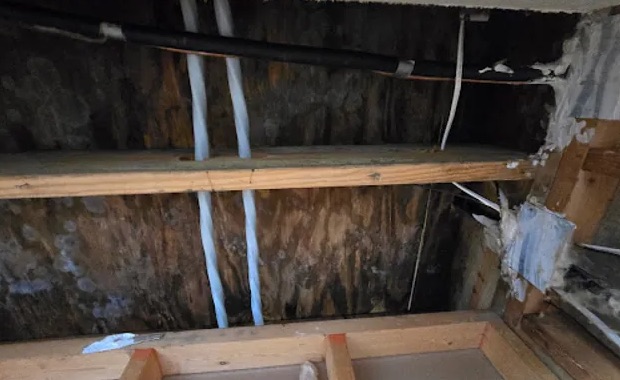
Professional Attic Water Removal in San Tan Valley, AZ
A ceiling stain in a San Tan Valley home is usually the last sign of an attic leak, not the first. By the time it shows, insulation and decking above may already be wet across a wide area.
A heavy storm in San Tan Valley can push water into an attic overnight. Local attic water removal pros serve San Tan Valley and nearby Queen Creek, Blackwater and Sacaton, with help available around the clock.
The Attic Water Removal Process in San Tan Valley
Wet Attic Insulation Removal
Insulation that got soaked is removed from the wet bays and bagged. Leaving it in place keeps the ceiling drywall damp for weeks.
Ceiling Water Damage Cleanup
After the ceiling cavity is dry, the opening is ready for new drywall, tape and paint.
Attic Leak Water Cleanup
Water-stained debris, wet cardboard and soaked stored items are cleared out so the attic floor can be dried.
Attic Moisture Inspection
Readings are recorded at the start and at each visit, giving a clear drying history for your records and insurer.
Attic Mold Prevention
Fast drying is the main protection. Antimicrobial treatment is added only where framing and decking stayed wet long enough to need it.
Signs of Attic Water Damage in San Tan Valley
Increased Indoor Humidity Levels
Upstairs rooms that feel sticky or humid may have moisture coming down from the attic.
Water Stains on Ceiling
A brown ring or yellow patch on an upstairs ceiling usually means water is sitting on the drywall from the attic.
Rotting Wood on Attic Beams
Soft, dark or crumbling wood on rafters and beams points to long-term moisture.
Musty Odors in Your Home
A musty smell upstairs or at the attic hatch often points to wet insulation or damp wood above.
How Attic Water Removal Works in San Tan Valley
Step 1: Attic Flood Cleanup Response
Active drips are contained with buckets and plastic, and the room below is protected.
Step 2: Targeted Attic Moisture Removal
Water is vacuumed from between joists and on top of drywall, starting where it is deepest.
Step 3: Attic Dehumidification
Dehumidifiers pull moisture from the attic air while air movers dry the wet framing.
Step 4: Documentation for Restoration
Photos and moisture readings are compiled to show what was removed and when the attic dried.
Why Attics Develop Water Damage
Burst or Leaking Plumbing Pipes
Supply lines and drain pipes in the attic can crack or burst onto the ceiling.
Appliance Malfunctions Like Water Heater Leaks
Water heaters located in the attic can leak or fail, flooding the attic floor.
Roof Leaks From Damaged Shingles
Cracked, missing or lifted shingles let rain reach the decking and drip into the attic.
Overflow From Clogged Bathroom Exhaust Ducts
Bathroom fan ducts that are loose or vented into the attic release moisture onto the wood.
Home and Business Attic Water Removal Solutions
Residential Attic Water Removal
In townhomes and condos, a shared attic can carry water into a neighbor's ceiling. Clear photos and readings help sort out repairs with the association.
Commercial Attic Water Removal
Property managers get records for each affected suite or unit, which helps with roof repair planning and insurance claims.
Attic Water Removal vs. DIY: When to Call the Pros
A fan in the room below does little for wet attic wood. Drying the attic takes equipment up there and readings to confirm it is dry.
Understanding Attic Water Removal Pricing
An attic leak handled the same day in San Tan Valley usually costs less than one left until the ceiling sags and has to be torn out.
Drying Time Required
Dense wood framing can take several days to dry, which adds equipment time.
Secondary Damage Repairs
Ceiling drywall replacement and paint in the room below add to the total.
Water Contamination Level
Clean rainwater is simpler to handle than water from a drain line or other dirty source.
Does Insurance Cover Attic Water Removal?
Coverage for attic water removal depends on the cause and your policy terms. The pros document the damage and drying, and your insurer decides what is covered.
Advantages of Hiring Local Pros for Attic Water Removal in San Tan Valley
Post-Cleanup Verification
Final readings confirm the attic is dry before new insulation goes in.
Controlled Demolition Practices
Only wet insulation and drywall are removed, which keeps the repair as small as possible.
Advanced Moisture Detection
Moisture meters and thermal cameras find wet wood and insulation that look dry.
Emergency Attic Water Removal Available Anytime
Water dripping through your ceiling in San Tan Valley? Put a bucket under it, move belongings and call (623) 920-0233. Attic water removal is available 24/7.
Call Now (623) 920-0233Attic Water Removal Service Area Around San Tan Valley
Attic water removal and drying also cover homes and buildings in Queen Creek, Blackwater and Sacaton, close to San Tan Valley, day or night.
- Attic Water Removal in Queen Creek
- Attic Water Removal in Blackwater
- Attic Water Removal in Sacaton
- Attic Water Removal in Gold Canyon
- Attic Water Removal in Coolidge
- Attic Water Removal in Apache Junction
- Attic Water Removal in Gilbert
- Attic Water Removal in Florence
- Emergency Damage Restoration in 85140
- Storm Damage Restoration in 85140
- Water Damage Restoration in 85140
- Water Extraction Service in 85140
- Water Leak Detection in 85140
- Water Removal Service in 85140
- Emergency Damage Restoration in 85143
- Storm Damage Restoration in 85143
Common Attic Water Removal Queries Answered
What is an attic moisture inspection?
A check of rafters, decking, insulation and the ceiling below with moisture meters and thermal cameras to find all wet areas.
Can wet attic insulation be saved?
Lightly damp areas sometimes dry, but soaked or matted insulation is usually removed and replaced after the attic dries.
How can mold be prevented after attic water removal?
By drying wood quickly, fixing ventilation problems and treating framing that stayed wet with an antimicrobial.
Why is emergency attic drying important?
Wet wood and drywall break down quickly. Drying fast saves more of the ceiling and lowers the risk of microbial growth.
How quickly should I deal with water in my attic?
Right away. Water on top of ceiling drywall soaks in and adds weight, and the ceiling can sag or fall within a day.