Three Points, AZ · Pima County
AC Unit Water Removal in Three Points, AZAC Leak Mold Prevention & AC Drain Pan Water Extraction
AC Unit Water Removal in Three Points runs from emergency AC water removal and AC leak water cleanup to air conditioner restoration services.
Answered 24/7
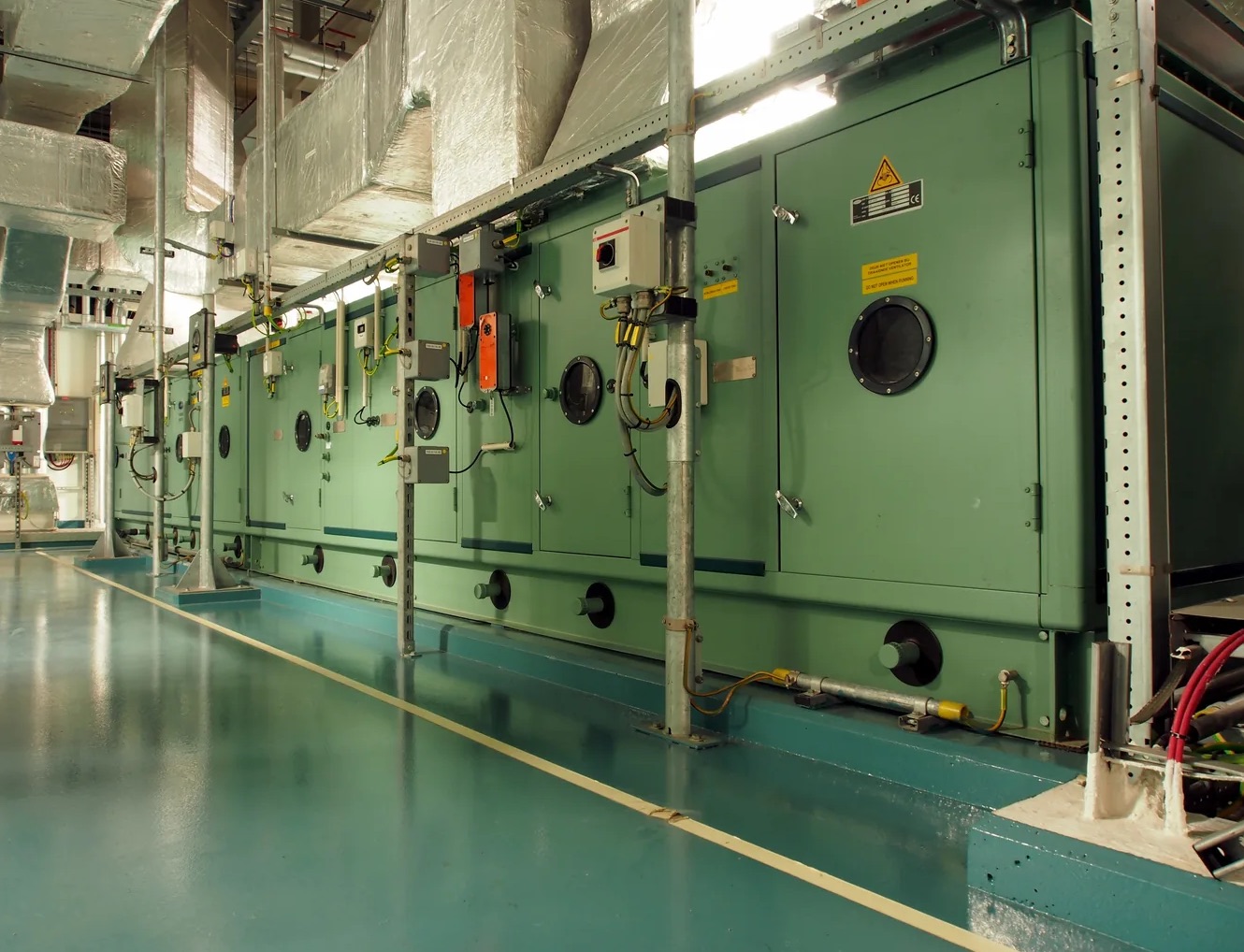
Professional AC Unit Water Removal in Three Points, AZ
In Three Points, an AC that runs for months produces a steady flow of condensate. A blocked or disconnected drain line sends that flow into the house, where it soaks whatever sits below the unit.
A leaking AC in Three Points rarely fixes itself, and the water keeps soaking the same drywall and subfloor until the drain is cleared. Local water damage pros serve Three Points and nearby Corona de Tucson, Drexel Heights and Flowing Wells, with help available around the clock for leaks of any size.
AC Unit Water Removal Services in Three Points
AC Leak Mold Prevention
Surfaces that stayed damp, such as framing under the air handler, are treated after drying so leftover spores have less to feed on.
AC Drain Pan Water Extraction
A soaked pan in an attic unit is a ceiling leak waiting to happen. Extracting it quickly protects the drywall underneath.
AC Leak Water Extraction
Water is removed from every wet surface the leak reached, including closets and rooms below an attic air handler.
AC Condensate Drain Clearing
Clearing the line stops the overflow at its source. Without it, the pan refills and the leak returns within days.
Emergency AC Water Removal
Help is available day or night for leaks that start after hours, when water dripping from an attic unit cannot wait until morning.
Signs of AC Water Damage Requiring Removal
Reduced Cooling Efficiency
A clogged drain can trip a float switch or starve the coil of airflow, so the system runs longer and cools less.
Musty Odors From Vents
A musty smell when the AC starts often means standing water in the pan or wet insulation in the ducts.
Water on the Floor
A puddle around the air handler or furnace closet is the most direct sign of a leak.
Visible Mold Near AC
Dark spots on drywall or framing near the unit mean the area has stayed wet for days.
How AC Unit Water Removal Works in Three Points
Step 1: Leak Assessment
The pros find the source of the leak, check how far the water spread and take moisture readings.
Step 2: Source Stop and Water Removal
The drain is cleared or the leaking part isolated, then standing water is extracted from every wet area.
Step 3: System Drying and Dehumidification
Drying equipment runs until walls, floors and insulation test dry, with readings taken at each visit.
Step 4: Verification and Restoration
Final readings confirm the materials are dry, then damaged drywall, trim or ceiling panels can be replaced.
Why AC Units Leak and Need Water Removal
Age and Component Wear
Older units have worn fittings, brittle seals and corroded pans that start leaking together.
Damaged AC Drain Pan
Metal pans rust through and plastic pans crack with age, letting water drip straight through.
Failed Condensate Pump
Units that pump condensate uphill depend on a small pump. When it fails, the reservoir overflows.
Excess Outdoor Humidity
Very humid air makes the coil produce more water than a partly clogged drain can carry.
Residential and Commercial AC Unit Water Removal in Three Points
Residential AC Unit Water Removal
In a home, an AC leak usually hits a hallway ceiling, a closet floor or the carpet near the air handler. Water removal and drying start there, followed by drywall repair if needed.
Commercial AC Unit Water Removal
In offices and stores, a leaking rooftop or ceiling unit drips onto desks, stock and floors and creates slip hazards. Work can be scheduled around business hours where possible.
Why DIY AC Water Removal Often Fails in Three Points
Box fans move air across a wet surface, but they often leave water trapped in wall cavities and under flooring. Professional drying uses moisture readings to confirm the hidden areas behind walls and under floors are dry too.
What Affects AC Unit Water Removal Expense in Three Points
In Three Points, most of the cost comes from extraction, equipment days and any drywall or insulation that has to be replaced. A walk-through sets the scope before work starts.
Required Drying Time
Dense materials and enclosed spaces take longer to dry, which means more equipment days.
Documentation Needs
Detailed photos and moisture logs for an insurance claim add some time to the job.
Affected Component Count
The more of the system that got wet, such as the blower, panels and insulation, the more drying time is needed.
Does Insurance Cover AC Unit Water Removal?
Many homeowner policies cover sudden water damage from an AC leak but not repairs to the unit itself or slow leaks from poor upkeep. Read your policy and call your insurer early.
The Value of Local Pros for AC Unit Water Removal in Three Points
Preventative Microbial Treatment
Optional antimicrobial treatment can be applied to wood and drywall that stayed wet for days.
Clear Process Communication
Each step is explained before work starts, so you know what is being removed and why.
Detailed Moisture Documentation
Photos and moisture readings are recorded at each visit to support your insurance claim.
Emergency AC Unit Water Removal Available 24/7 in Three Points
Every hour of standing water means more drying later and more materials to replace. Call (623) 920-0233 for AC unit water removal in Three Points as soon as you see the leak.
Call Now (623) 920-0233AC Unit Water Removal Service Area Including Three Points
Each place listed below has its own page with local details.
- AC Unit Water Removal in Corona de Tucson
- AC Unit Water Removal in Drexel Heights
- AC Unit Water Removal in Flowing Wells
- AC Unit Water Removal in Marana
- AC Unit Water Removal in Picture Rocks
- AC Unit Water Removal in Anthem
- AC Unit Water Removal in Apache Junction
- AC Unit Water Removal in Arizona City
AC Unit Water Removal FAQ for Three Points Homeowners
Is air conditioner restoration separate from water removal?
Yes. Water removal and drying come first. Restoration covers repairs afterward, such as replacing drywall or ceiling panels.
What equipment is used to dry AC leak damage?
Extractors, air movers, dehumidifiers and moisture meters, plus wet vacs or pumps for the drain line.
How does antimicrobial treatment help after an AC leak?
Once surfaces are dry, an antimicrobial can be applied to wood and drywall that stayed wet to slow microbial growth.
How quickly should I deal with an AC leak?
Right away. Water that sits for more than a day or two soaks into drywall and insulation and raises the risk of microbial growth.
What are signs I need water removed from around my air conditioner?
Puddles near the unit, ceiling stains, a musty smell, a full drain pan or an AC that shuts off on its own.