Tile Floor Water Extraction in Cave Creek, AZ
Trusted by 150+ Homeowners
- Over 154 5-Star Reviews
- Free Estimates and Quotes
- 100% Satisfaction Guaranteed
- Child, Family & Pet Safe Steps
- 24-Hour Emergency Service
- Fully Licensed & Insured
- Call
- We arrive
- Restored

Tile Floor Water Extraction in Cave Creek, AZ: Preventing the Unexpected
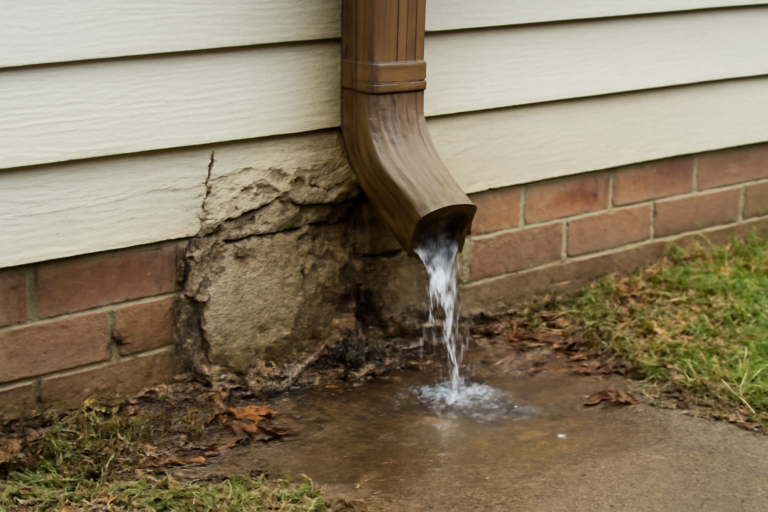
Every summer, monsoon storms sweep through the area, bringing heavy rain and strong winds that can cause water damage to your home in Cave Creek, AZ. Your tile floors are particularly vulnerable to water damage, which can lead to costly repairs and even health risks if not addressed quickly. Our team of experts is here to help you prevent and mitigate tile floor water extraction issues. With our guidance, you’ll learn how to identify early warning signs, protect your property, and avoid the hassle of DIY repairs.
At our company, we’ve helped over 165 homeowners in Cave Creek, AZ, and surrounding areas, restore their properties to their former glory. Our 5-star reviews and IICRC certification speak for themselves. When you need trusted professionals for tile floor water extraction, you can count on us.
- Prevent water damage with our expert advice on how to identify and address issues early on.
- Reduce costs with our efficient and effective extraction methods.
- Enjoy peace of mind knowing that your tile floors are safe and secure.
How Tile Floor Water Extraction Actually Works
Tile floor water extraction is a complex process that needs specialized equipment and expertise. Our team follows a step-by-step approach to ensure that every inch of your tile floor is thoroughly dried and restored. From initial assessment to final cleanup, we’ll guide you through the entire process, explaining what to expect at every stage.
Step 1: Assessment and Planning
Our technicians arrive at your property to assess the extent of the damage and create a customized plan to extract the water and dry the floor. We’ll use specialized equipment to detect hidden moisture and identify potential issues. This step typically takes 30 minutes to an hour.
Step 2: Water Removal
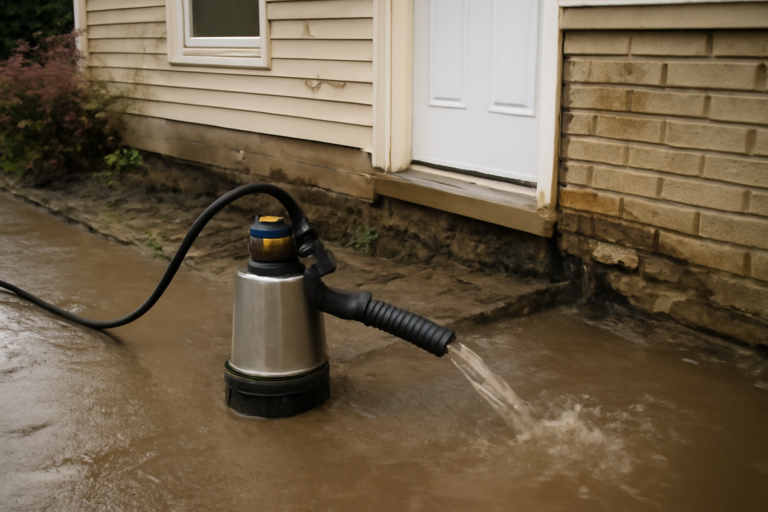
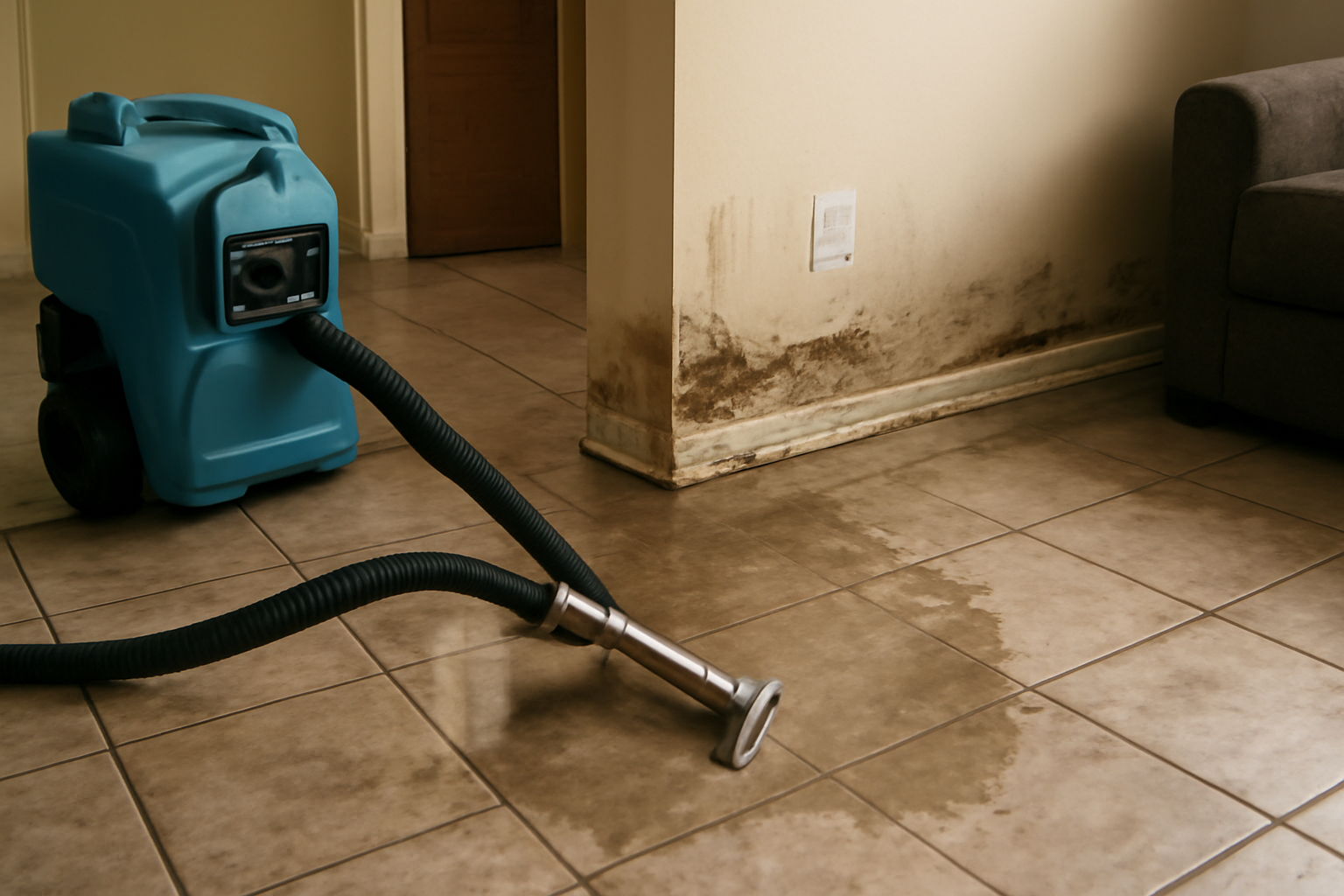
Next, our team uses powerful pumps and wet vacuums to extract the standing water from your tile floor. This step can take anywhere from 1-3 hours, depending on the size of the affected area and the amount of water present.
Step 3: Drying and Dehumidification
With the water removed, our technicians use high-velocity air movers and dehumidifiers to dry the floor and surrounding areas. This step can take anywhere from 2-5 days, depending on the humidity levels and the type of flooring.
Step 4: Cleaning and Sanitizing
Once the floor is dry, our team thoroughly cleans and sanitizes the area to remove any remaining moisture, dirt, and bacteria. This step is crucial in preventing mold growth and ensuring a healthy environment.
Step 5: Final Inspection and Cleanup
Our final step involves a thorough inspection of the floor to ensure that it’s completely dry and free of any damage. We’ll also remove any equipment and dispose of any debris. This step typically takes 30 minutes to an hour.
Don’t wait until it’s too late. Call us today to schedule your tile floor water extraction service and let our experts take care of the rest. You’ll be glad you did!
Warning Signs You Need Tile Floor Water Extraction
Ignoring warning signs can lead to costly repairs and health risks. Keep an eye out for these common indicators that you need tile floor water extraction:
Musty Odors That Won’t Go Away
Strong, unpleasant odors can be a sign of mold growth or water damage. If you notice persistent musty smells, it’s time to call our experts. We’ll identify the source of the odor and provide a customized solution to address the issue.
Warped or Buckled Flooring
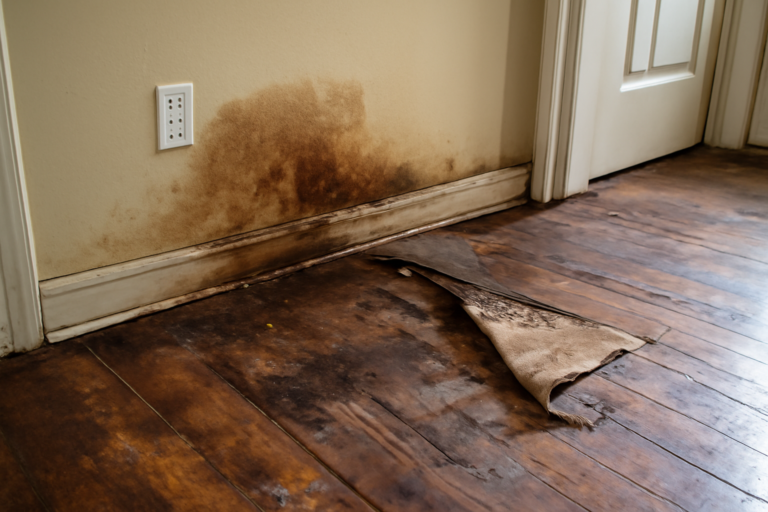
Warped or buckled flooring can be a sign of water damage. If you notice any irregularities in your tile floor, it’s essential to address the issue quickly. Our team will assess the damage and provide a plan to restore your floor to its original condition.
Stains or Discoloration
Unexplained stains or discoloration can be a sign of water damage or mineral deposits. Our team will inspect the area and provide a customized solution to address the issue.
Tile Floor Water Extraction vs. DIY: When To Call a Professional
| Situation | DIY? | Call a Pro? | Why |
|---|---|---|---|
| Small water spill on a tile floor | Yes | No | It’s a small, contained spill that can be cleaned up quickly and easily. |
| Large water damage on a tile floor | No | Yes | It’s a significant water damage that needs specialized equipment and expertise to extract the water and dry the floor. |
| Tile floor with hidden moisture | No | Yes | Hidden moisture can lead to mold growth and health risks if not addressed quickly. A professional inspection is necessary to detect and address the issue. |
Remember, it’s always better to err on the side of caution with tile floor water extraction. If you’re unsure about the severity of the damage or the best course of action, call our experts to schedule a consultation.
Tile Floor Water Extraction Cost In Cave Creek, AZ
The cost of tile floor water extraction can vary depending on the severity of the damage, the size of the affected area, and local conditions in Cave Creek, AZ. These estimates are based on real-world costs and should give you a rough idea of what to expect:
| Service | Typical Price Range | What Affects Cost |
|---|---|---|
| Assessment and planning | $100 – $500 | The size of the affected area and the complexity of the damage. |
| Water removal | $500 – $2,500 | The amount of water present and the size of the affected area. |
| Drying and dehumidification | $500 – $2,000 | The size of the affected area and the humidity levels. |
Keep in mind that exact pricing depends on an on-site assessment. We offer free estimates and consultations to help you find out the best course of action for your tile floor water extraction needs.
Service Areas Near Cave Creek, AZ
Our team serves the following communities:
Apache Junction, AZ, Carefree, AZ, Cave Creek, AZ, Chandler, AZ, Gilbert, AZ, Glendale, AZ, Gold Canyon, AZ, Litchfield Park, AZ, Mesa, AZ, Paradise Valley, AZ, Phoenix, AZ, Scottsdale, AZ, Tempe, AZ, Tonto National Forest, AZ
Common Questions About Tile Floor Water Extraction
Q: What causes tile floor water damage?
A: Tile floor water damage can be caused by a variety of factors, including heavy rainfall, burst pipes, appliance malfunctions, and flooding. Water can seep into the tile and grout, causing damage to the floor and surrounding areas.
Q: Can I try to dry my tile floor on my own?
A: While it may be tempting to try to dry your tile floor on your own, it’s often not the best solution. Without the right equipment and expertise, you may end up causing more damage or creating a health hazard. Our team is trained to handle tile floor water extraction and drying, ensuring that your floor is restored to its original condition.
Q: How long does tile floor water extraction take?
A: The length of time it takes to complete tile floor water extraction can vary depending on the severity of the damage, the size of the affected area, and the type of flooring. Our team will assess the situation and provide a customized timeline for the project.
Check Our Other Relevant Services
Serving Cave Creek, AZ And Nearby Areas